
Find Your Anarchist – and turn them into your BIGGEST advocate
There's usually a moment in every workplace project where someone leans over and whispers, "I'm so sorry about Sally. She's just... difficult. We can work around her if we need to."
It always gives me a little giggle, but I say: "Sally is exactly who I've been looking for."
In every project, I'm actively searching for the anarchist - the person who's going to object, who's uncomfortable, who's pushing back at every turn. Because what most people miss is that they're not trying to derail your project. They're your canary in the coal mine, showing you exactly where you need to think differently push harder, dig deeper to create a design that genuinely works for everyone, not just the easy-to-please majority.
The challenge: Turn resistance into advocacy
It's become my personal mission: find the anarchist and turn them into an advocate.
When we do our job right [when we actually listen to what they're saying underneath the resistance], when we push ourselves as a design team to solve for the friction they're naming, by the end of the project, they're the ones singing our praises. They're completely in love with their space. They're telling everyone who will listen how much better it is than they ever imagined it could be.
And that friction they created through the process? It didn't slow us down. It made everything better. It forced us to consider perspectives we would have overlooked. It pushed us to create solutions we wouldn't have thought of on our own. It resulted in a more inclusive, more thoughtful, more effective design.
But this only works if you create space for them to be heard. If you dismiss them, work around them, or minimise their concerns, you lose the very insights that could transform your project from good to exceptional.
What real co-design actually looks like
When you set up a diverse stakeholder group, people from across the business bringing their wildly different perspectives about how they connect, collaborate, and work, you create something no external design team could dream up on their own.
And for the record… co-design is not showing people three options and asking them to vote. It's not a survey about paint colors or a town hall presentation with a Q&A.
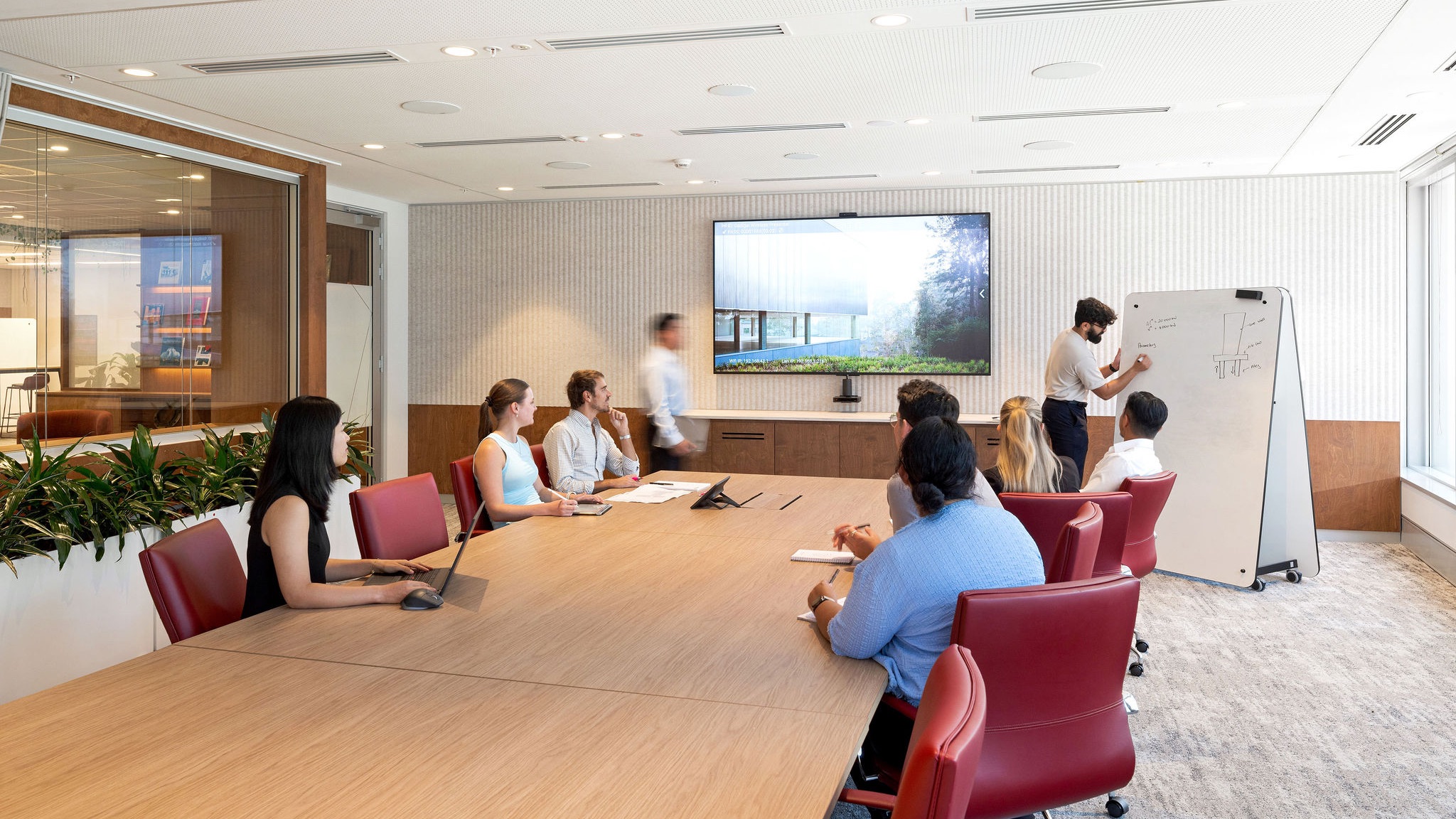
Real co-design means bringing together a stakeholder committee that represents genuine diversity; different departments, levels, work styles, and needs. This committee isn’t just there to provide feedback, they are the decision makers. They're in the room for the tough conversations, owning the outcome.
Include representatives from People & Culture, technology, finance, brand, operations, and most importantly — people who represent how work actually gets done on the ground, not just senior leadership. Each person becomes a conduit, taking information back to their teams and bringing perspectives back to the table.
Because your workshop isn’t for leadership
The critical thing we all need to remember… this space you're creating isn't for me as your consultant, it's not even primarily for executive leadership. It's for all the people in your organization who need to feel comfortable enough to bring their best selves to work, to collaborate effectively, to focus deeply, to perform at their absolute best.
We can't create that if we're not actually listening to the people who will be living and working in these spaces every day. This is why the anarchist matters so much, they're usually representing a perspective that's being marginalized or overlooked. When we design for their concerns, we almost always end up with a better solution for everyone.
The uplift in the outcome
This may sound like you’re slowing the project down or overcomplicating the process, but what actually happens… the process is more streamlined.
You're making decisions with all the right people in the room from the beginning. No endless back-and-forth trying to get buy-in after the fact. No redesigning because you missed critical requirements. The outcome is significantly better because you're incorporating diverse perspectives and catching issues before they become expensive problems. And adoption is exponentially higher because people have ownership over the outcome.
Most importantly, you end up with advocates throughout your organization, including that anarchist who's now telling everyone how their concerns were genuinely heard and addressed.
What you need to action
If you're leading a workplace project, here's where to start:
- Identify your anarchist. Who's going to push back hardest? Who asks uncomfortable questions? Get them on your stakeholder committee and put them right in the center of the process.
- Build a real stakeholder committee with genuine decision-making authority. Not a token gesture. A group that represents true diversity and has the power to shape outcomes.
- Actually listen to the resistance. Get curious instead of dismissive. What are they really concerned about? What need are they representing? The resistance is giving you intelligence. Use it.
- Design for the edges, not just the middle. When you design for neurodivergent employees, you create spaces that help everyone focus better. When you design for the most challenging scenarios, you excel at the routine ones too.
The invitation
What would change if you approached your workplace project as genuine co-design rather than a facilities upgrade? What voices are missing from the conversation? Who's your anarchist, and what would it mean to put them at the center instead of working around them?
Because the quality of your workplace isn't just about design or furniture or technology. It's about whether you created something that genuinely serves all your people, that enables them to do their best work, that makes them want to show up and contribute. And you can't create that in isolation. You can only create it together.
If you're ready to approach your workplace project differently, our facilitated co-design workshops are built specifically to surface insights, navigate resistance, and turn your anarchists into advocates. Let's talk.
